The Future of Manufacturing with Custom Plastic Injection Molding Innovations
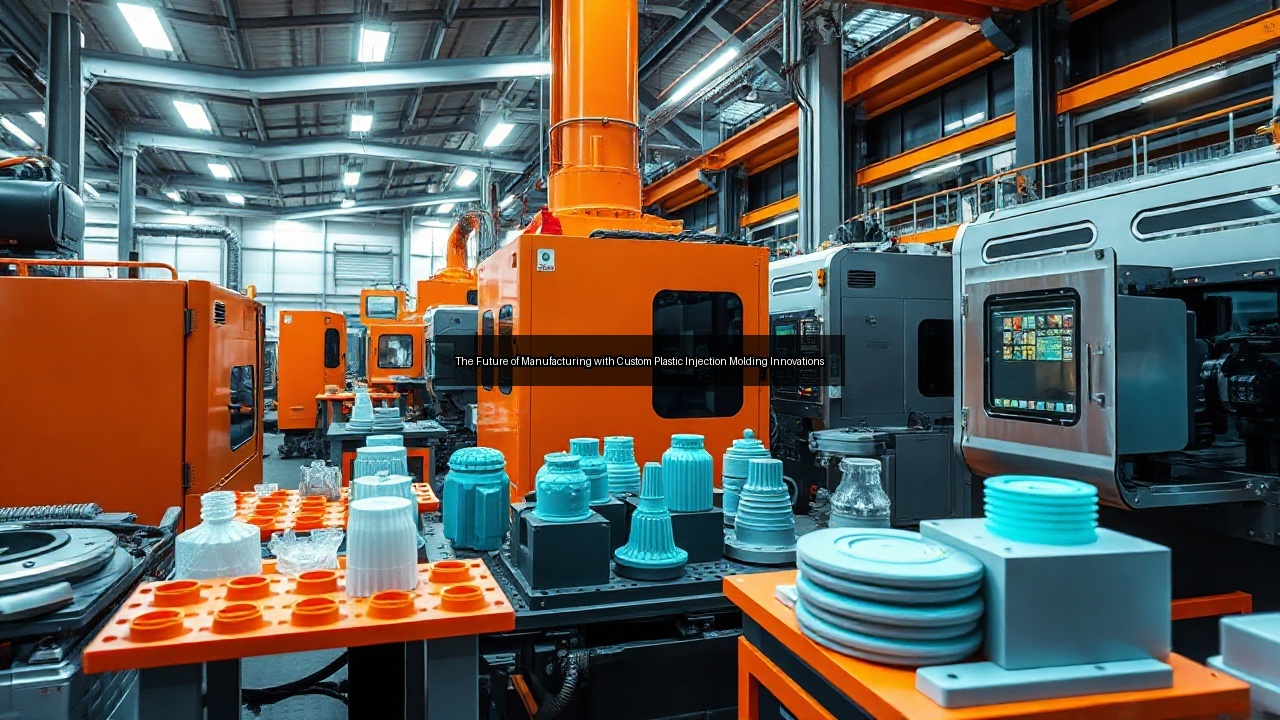
Innovations in Custom Plastic Injection Molding
Recent Technological Advancements
Custom plastic injection molding has undergone significant innovations in recent years, transforming the landscape of manufacturing. Advanced machinery and software have enhanced the injection molding process, enabling manufacturers to produce complex shapes with precision and efficiency. High-speed injection molding machines now allow for faster cycle times, which reduces production delays and increases output. Additionally, the development of smarter control systems aids in real-time monitoring and adjustment of the molding process, ensuring optimal performance and quality. The integration of automation, such as robotics, plays a crucial role in streamlining operations, decreasing human error, and enhancing safety in manufacturing environments.
The Role of 3D Printing in Molding
3D printing has made significant inroads into custom plastic injection molding, particularly in the prototyping phase. This technology allows designers to create accurate prototypes quickly, facilitating rapid iterations and adjustments before moving to full-scale production. 3D printing also enables manufacturers to produce complex molds that would be challenging or impossible to achieve using traditional methods. This synergy between 3D printing and injection molding empowers manufacturers to innovate and respond to market demands swiftly. By reducing lead times for mold creation and enabling greater design flexibility, 3D printing enhances the overall efficiency of the custom manufacturing process.
Integration of Liquid Silicone Rubber (LSR)
The incorporation of Liquid Silicone Rubber (LSR) into custom plastic injection molding has revolutionized the manufacturing of flexible components. LSR offers superior durability, heat resistance, and chemical stability, making it ideal for a wide range of applications, from automotive parts to medical devices. The molding process for LSR involves specialized techniques that allow for intricate designs and high-precision components. Manufacturers benefit from LSR's ability to bond with various substrates, enhancing the functionality of products through overmolding and insert molding. This adaptability not only improves product performance but also streamlines production by minimizing the need for secondary operations.
Enhancing Production Efficiency
The Benefits of Overmolding and Insert Molding
Overmolding and insert molding stand out as innovative techniques within the realm of custom plastic injection molding. Overmolding involves the application of a second layer of material over an existing part, resulting in enhanced grip, insulation, and aesthetic appeal. This process reduces the need for additional assembly operations, thereby saving time and labor costs. Insert molding allows for the incorporation of threaded inserts or other components into the injection molded part during the molding process, creating a more durable and functional product. Both techniques improve production efficiency by minimizing post-molding processes while ensuring high-quality outputs that meet customer demands.
Utilizing CNC Machining and EDM in Mold Creation
Computer Numerical Control (CNC) machining and Electrical Discharge Machining (EDM) play pivotal roles in creating custom molds for injection molding. CNC machining provides unparalleled precision in shaping and finishing molds, allowing manufacturers to achieve intricate designs and tight tolerances. This technology enhances the efficiency of mold production, as it reduces manual labor and speeds up the fabrication process. EDM, on the other hand, excels in crafting complex geometries and fine details that traditional machining methods may struggle to achieve. By leveraging these advanced machining techniques, manufacturers maximize the quality and longevity of their injection molds, ultimately leading to better injection molded products.
Streamlining Prototyping with Injection Moldings
Prototyping represents a critical phase in the custom plastic injection molding process. Rapid prototyping through injection moldings allows manufacturers to test designs and functionalities before committing to full-scale production. This iterative approach fosters creativity and innovation, enabling teams to refine products based on testing and feedback. The use of aluminum molds for prototypes provides a cost-effective solution, facilitating faster production times with minimal investment. Streamlined prototyping not only reduces time to market but also helps identify potential design flaws early in the process, leading to a more robust final product. This efficiency ensures that manufacturers can meet consumer demands without compromising on quality.
Quality Control and Standards in Manufacturing
Importance of ISO 9001 Certification
ISO 9001 certification serves as a benchmark for quality management systems in the manufacturing sector, including custom plastic injection molding. Achieving this certification signifies a commitment to maintaining high standards of quality and continuous improvement. Manufacturers with ISO 9001 certification demonstrate their ability to consistently deliver products that meet customer and regulatory requirements. This certification enhances credibility and fosters trust among clients, ultimately leading to increased business opportunities. By adhering to ISO 9001 standards, manufacturers can implement systematic processes that ensure quality control throughout the injection molding process, from design to final inspection.
Inspection Techniques for Injection Molded Parts
Quality control in custom plastic injection molding hinges on effective inspection techniques. Manufacturers employ various methods to ensure that injection molded parts meet stringent quality standards. Visual inspections, dimensional measurements, and functional tests help identify defects and inconsistencies in the production process. Advanced techniques, such as laser engraving and 3D scanning, provide detailed insights into the integrity of molded parts, allowing for corrective actions when necessary. Regular inspections not only enhance product quality but also minimize waste and rework, significantly improving overall production efficiency.
Surface Finishes: Aesthetic and Functional Considerations
Surface finishes play a crucial role in the appeal and functionality of injection molded products. Manufacturers can achieve various finishes—smooth, textured, or matte—tailored to specific applications or aesthetic preferences. The choice of surface finish affects not only the look and feel of the product but also its performance. For instance, certain finishes can enhance grip or reduce friction, while others may improve resistance to wear and tear. Understanding the implications of surface finishes in custom plastic injection molding allows manufacturers to optimize product design custom injection molding while ensuring that functional requirements are met, ultimately leading to higher customer satisfaction.
Cost and Pricing Strategies in Custom Manufacturing
Understanding the Cost of Custom Molds
The cost of custom molds significantly impacts the overall pricing strategy in injection molding. Factors influencing mold costs include the complexity of the design, the materials used, and the manufacturing processes involved. High-quality steel molds tend to be more expensive but offer durability and longevity, making them a worthwhile investment for high-volume production. In contrast, aluminum molds provide a cost-effective option for prototypes and low-volume runs but may not withstand long-term use. Understanding these cost dynamics allows manufacturers to make informed decisions that balance upfront investments with long-term production needs.
Factors Influencing Pricing in Injection Molding
Pricing in custom plastic injection molding is influenced by various factors, including material selection, production volume, and lead times. The type of plastic used affects not only the cost but also the properties of the final product. For example, engineering-grade thermoplastics may incur higher costs but offer superior performance in demanding applications. Additionally, production volume can lead to economies of scale, where per-unit costs decrease as the volume increases. Understanding these pricing dynamics enables manufacturers to develop competitive pricing strategies while maintaining product quality and meeting customer expectations.
Balancing Quality and Cost in Production
Striking a balance between quality and cost remains a central challenge in custom plastic injection molding. Manufacturers must prioritize quality to ensure that products meet industry standards and customer requirements. However, excessive focus on quality can custom injection molding lead to inflated production costs. Effective cost management strategies involve optimizing processes, investing in technology, and utilizing cost-effective materials without compromising quality. Collaboration with clients during the design phase can also facilitate the identification of cost-effective solutions that maintain quality. Ultimately, a balanced approach ensures sustainable profitability while delivering exceptional value to customers.
See Also
- Navigating the Custom Injection Molding Pricing Landscape for Optimal Value
- Designing for Success How to Plan Your Custom Injection Molding Project
- A Comprehensive Guide to the Custom Injection Molding Process
- Custom Plastic Parts and Their Impact on Product Design and Functionality
- From Prototypes to Production How Custom Injection Molding Transforms Manufacturing Efficiency