From Trucks to Trailers Neoprene Mounts are Revolutionizing HVAC Installations
Understanding HVAC Neoprene Mounts
What are Neoprene Mounts?
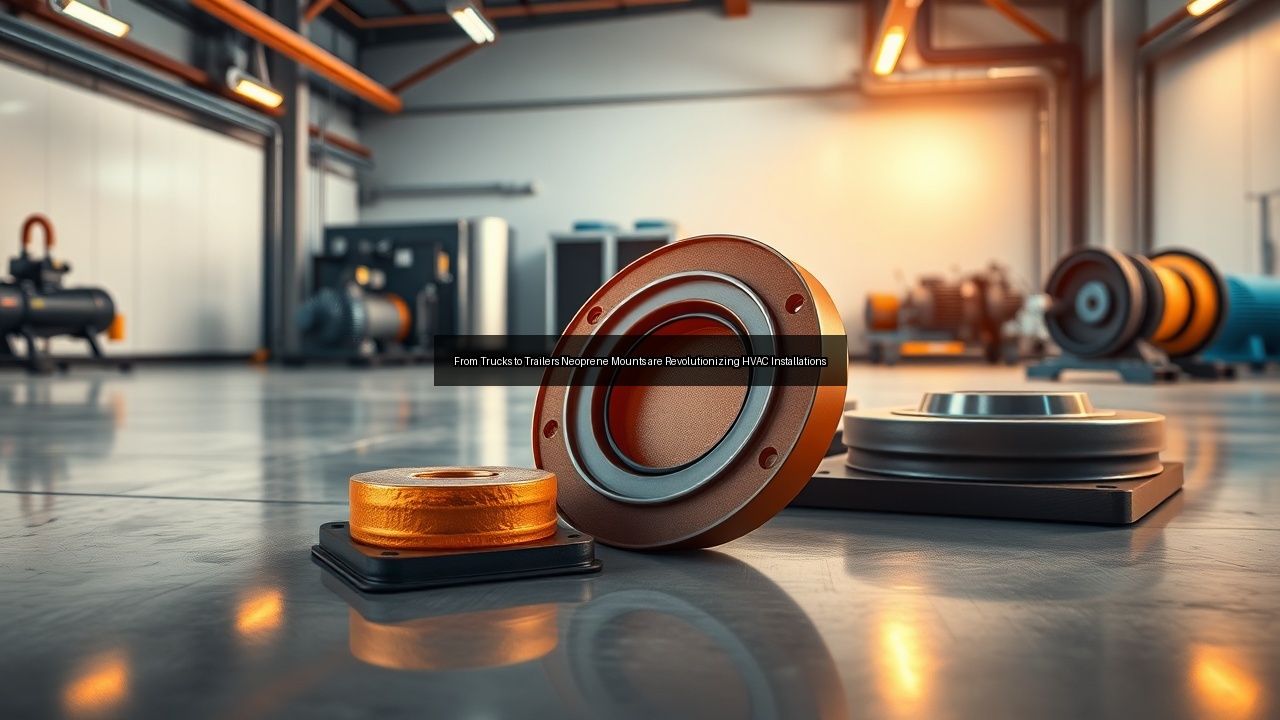
HVAC neoprene mounts serve as durable elastomeric components that secure equipment while absorbing movement. These mounts typically feature a neoprene rubber core sandwiched between metal plates for strength and flexibility. Installers rely on them to position compressors, fans, and other rotating parts on the floor or within enclosures. Neoprene vibration isolation mounts outperform rigid fasteners by allowing slight deflection without transmitting force. Technicians often select neoprene pads or neoprene hangers when space limits options and vibration control remains critical. The material resists oils, weather, and temperature swings common in mechanical rooms. Users appreciate how neoprene mounts maintain alignment across years of continuous operation. Proper sizing prevents overloading while delivering consistent performance in both new builds and retrofits.
Importance of Vibration Isolation in HVAC
Vibration isolation protects structures and improves occupant comfort in any HVAC setup. Uncontrolled motion from motors travels through frames into walls and floors, creating noise and fatigue. Neoprene vibration isolators interrupt this path by compressing and rebounding under load. Systems equipped with quality mounts experience fewer callbacks for loose fittings or cracked ducts. Isolation also extends the life of bearings and seals inside the compressor. Building codes increasingly require documented vibration control, making neoprene mounts a straightforward compliance solution. Proper isolation reduces stress on tubings and prevents leaks at joints. Maintenance teams report quieter operation and lower energy use once mounts replace solid connections. The result is reliable performance without the hum that once traveled through entire buildings.
How Neoprene Compares to Other Materials
Neoprene stands apart from natural rubber, silicone, and foam alternatives in HVAC applications. It maintains elasticity across wider temperature ranges and resists degradation from refrigerants and cleaning agents. Foam pads compress permanently under sustained weight, while neoprene recovers its shape. Metal springs transmit high-frequency noise that neoprene damps effectively. Elastomeric neoprene mounts also handle shear forces better than many synthetics, keeping equipment level during starts and stops. Cost comparisons favor neoprene once replacement intervals enter the calculation. Installers note easier field modifications with neoprene because the material accepts standard fasteners without cracking. Overall durability and chemical resistance give neoprene vibration pads a clear edge in demanding environments.
The Role of Neoprene Mounts in HVAC Systems
Vibration Dampening for Compressors and Belt Drives
Compressors generate powerful pulsations that travel through mounting points into supporting steel. HVAC neoprene mounts placed beneath each foot absorb these pulses before they reach the floor or frame. Belt drives add another challenge as tension changes create rhythmic forces. Neoprene vibration isolation mounts positioned under motor bases limit transmission to adjacent gears and pulleys. Proper placement keeps RPM fluctuations from amplifying into resonant frequencies. Technicians measure reduced vibration readings after installing sandwich-style neoprene mounts. The material also cushions clutch engagement shocks common in larger packaged units. Consistent dampening protects drive components and lowers the chance of premature belt failure. Systems run smoother with less audible whine reaching occupied spaces.
Enhancing Performance in Trucks and Trailers
Mobile HVAC units in trucks and trailers face constant road vibration and shifting loads. Neoprene mounts secure rooftop or under-chassis equipment without transmitting motion into the cab. Drivers notice quieter interiors once neoprene rubber mounts replace rigid brackets. The mounts handle both vertical bounce and lateral shear encountered during turns and braking. Temperature swings from highway travel to overnight parking do not degrade neoprene performance. Fleet managers report fewer service calls related to loosened fittings or damaged coils. Integration with existing tubings and clutches remains straightforward because mounts flex rather than fight movement. Lightweight yet strong designs fit weight-sensitive trailer applications without sacrificing isolation quality.
Reducing Shear Forces and RPM Fluctuations
Shear forces arise when equipment accelerates or changes direction, stressing mounting hardware. Neoprene mounts distribute these loads across their elastomeric layer, preventing metal fatigue. RPM fluctuations in variable-speed compressors create changing vibration signatures that rigid mounts cannot absorb. Properly selected neoprene vibration isolators maintain equipment stability across the full operating range. This stability keeps pulleys aligned and reduces side loads on shafts. Data from monitored sites shows lower peak accelerations after neoprene installation. The mounts also protect sensitive electronics mounted nearby by limiting transmitted energy. Consistent performance under varying conditions supports longer intervals between inspections.
Benefits of Neoprene Mounting Solutions
Sustainability and Eco-Friendliness
Neoprene formulations now incorporate recycled content without sacrificing mechanical properties. Longer service life means fewer replacements and less material entering landfills. HVAC neoprene mounts require no frequent lubrication or chemical treatments, reducing environmental impact during operation. Manufacturers design many products for eventual recycling through established rubber programs. Lower noise and vibration also decrease energy consumption by allowing fans and compressors to run at design efficiency. Building owners pursuing green certifications value the documented longevity and reduced maintenance waste. Neoprene’s resistance to ozone and UV extends outdoor applications, further supporting sustainability goals across fleets and facilities.
Cost-Effectiveness and Longevity
Initial purchase prices for quality neoprene mounts remain competitive with inferior options. The real savings appear in reduced downtime and extended equipment life. HVAC neoprene mounts resist compression set, maintaining isolation effectiveness for a decade or more. Fewer broken belts, cracked tubings, and bearing replacements offset the modest premium over basic pads. Installation crews complete jobs faster because self adhesive versions eliminate separate hardware. Long-term ownership costs drop when vibration no longer accelerates wear on connected components. Facility budgets benefit from predictable replacement cycles rather than emergency repairs.
Self-Adhesive Options for Easy Installation
Self adhesive neoprene mounts simplify retrofits where drilling risks damage to finished surfaces. Installers peel the liner and press the pad into position, achieving immediate bond strength. These versions suit lighter loads in residential air handlers and small commercial units. Proper surface preparation ensures lasting adhesion even under temperature cycling. Self adhesive designs also work well for temporary or test setups before permanent mounting. Technicians appreciate the clean finish without exposed fasteners. Performance matches traditional bolted mounts when load ratings are observed. Availability in multiple thicknesses allows fine-tuning of isolation characteristics on site.
Applications Across Industries
Use in Heavy-Duty Equipment and Vehicles
Construction machinery and transport vehicles demand robust vibration control for onboard HVAC systems. Neoprene mounts secure condensers and evaporators against constant movement and impact. Heavy-duty versions handle the weight of large compressors while isolating cab occupants from engine noise. Fleet specifications increasingly list neoprene vibration isolation mounts as standard equipment. The material withstands road chemicals and temperature extremes encountered in all-weather operations. Replacement remains simple during scheduled maintenance because mounts use common bolt patterns. Equipment uptime improves when vibration no longer loosens electrical connections or hydraulic lines.
HVAC Mounting for Residential and Commercial Systems
Homeowners and building managers install HVAC neoprene mounts under air handlers and condensing units to eliminate structure-borne noise. Residential applications often use smaller neoprene pads on rooftops or slabs. Commercial projects specify neoprene hangers for suspended units above ceilings. Both settings benefit from reduced transmission into living and working spaces. Architects value the compact profiles that fit tight mechanical rooms. Performance data confirms lower sound levels after neoprene installation compared with rigid mounting. The mounts accommodate minor settling of structures without binding equipment. Consistent results across climates support broad adoption in new construction and renovations.
Integration with Tubings and Clutches
Proper mounting preserves alignment of tubings connected to compressors and heat exchangers. Neoprene vibration isolators limit movement that could fatigue solder joints or flare connections. Clutches in belt-driven systems experience smoother engagement when motors sit on neoprene mounts. Reduced shock loading extends clutch life and maintains consistent torque transfer. Installers route lines with adequate slack once mounts allow controlled deflection. This approach prevents binding during startup sequences and load changes. Documented cases show fewer refrigerant leaks after switching to neoprene solutions. The mounts integrate cleanly with existing brackets and frames in both trucks and stationary installations.
Future Trends in HVAC Mounting Solutions
The Evolution of Elastomeric Materials
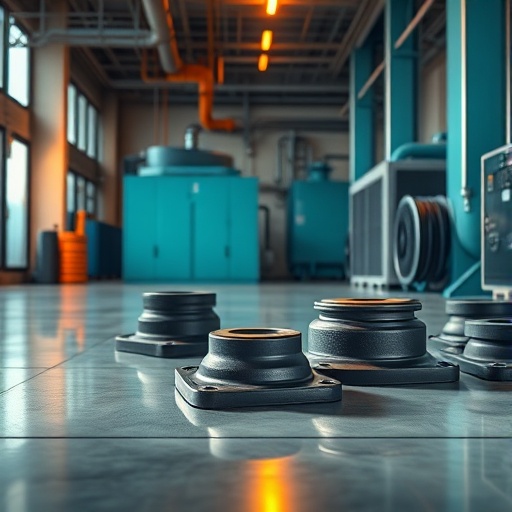
Material scientists continue refining neoprene compounds for higher load capacity and better damping. New additives improve resistance to refrigerants and cleaning solvents common in modern systems. HVAC neoprene mounts now appear in hybrid constructions that combine neoprene layers with other elastomers for tailored performance. These advances allow smaller footprints while maintaining isolation effectiveness. Manufacturers test formulations under accelerated aging to predict decades of service. The evolution supports higher-efficiency equipment that operates at variable speeds and produces different vibration profiles. Continued development keeps neoprene relevant as system demands increase.
Innovations in Vibration Isolation Technology
Smart sensors embedded in mounts now provide real-time data on vibration levels and remaining service life. This information helps facility teams schedule replacements before performance degrades. Neoprene vibration isolation mounts pair with active damping systems that adjust stiffness based on operating conditions. Additive manufacturing enables custom geometries that fit irregular equipment bases. Field trials demonstrate improved isolation across wider frequency ranges with these innovations. Integration with building management systems allows predictive maintenance tied directly to mount condition. The technology reduces both energy waste and unexpected downtime in critical HVAC applications.
Sustainability Trends Impacting Mount Selection
Procurement teams increasingly require environmental product declarations for mounting components. Neoprene suppliers respond with bio-based plasticizers and closed-loop recycling programs. Longer-lasting mounts reduce the frequency of material production and disposal. Specifiers compare lifecycle assessments when choosing between neoprene and alternative isolators. Regulations targeting embodied carbon favor materials with proven durability and recyclability. HVAC neoprene mounts meet these criteria while delivering the performance buildings require. Market demand drives further improvements in sustainable formulations without compromising vibration control. The industry moves steadily toward solutions that balance technical needs with environmental responsibility.