The Role of Voltage and Insulation in Electric Motor Repair Costs
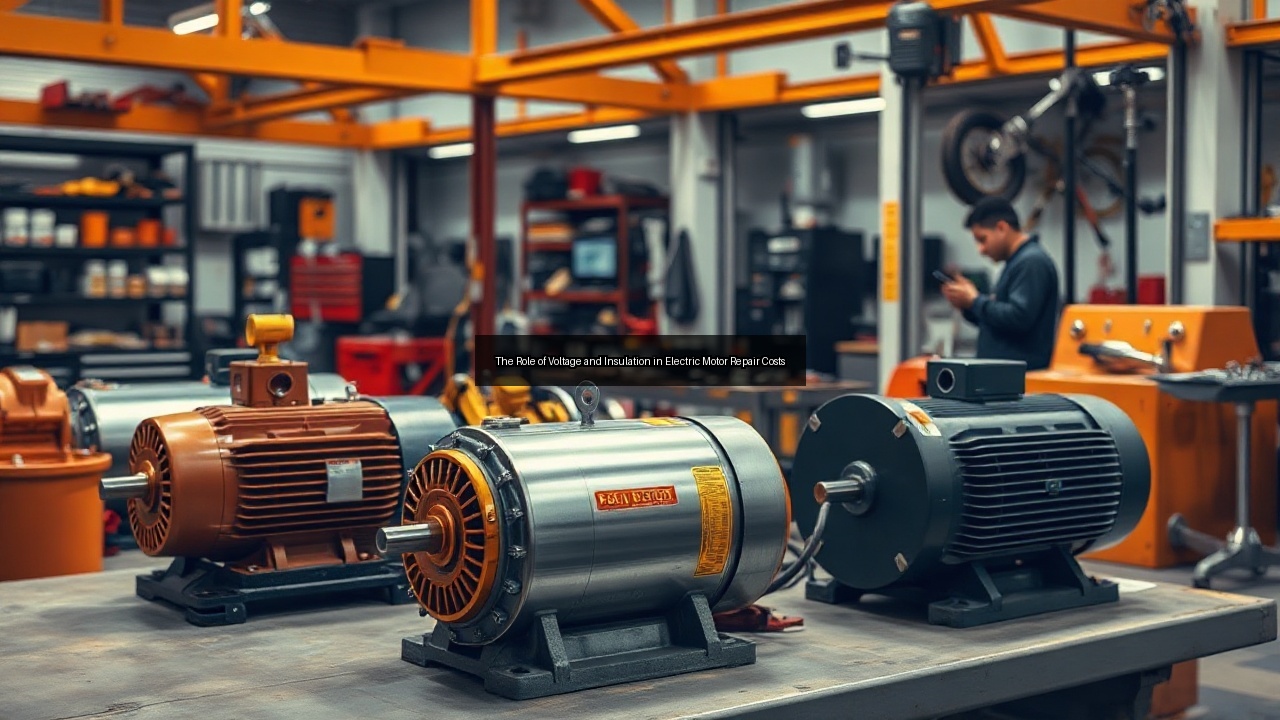
Understanding Electric Motor Repair Costs
Factors Influencing Repair Costs
Electric motor repair costs rise sharply when voltage mismatches or insulation breakdowns occur. Technicians trace most failures to stator windings that overheat under inconsistent power supply or rotor damage from contamination buildup. These issues compound when operators skip routine checks, allowing small problems to escalate into full rewinds or replacements. Maintenance teams factor in labor hours alongside parts like bearings and insulation materials when quoting prices for electric motor repair services.
Contamination from dust, moisture, or chemicals accelerates wear on critical components. Voltage spikes further stress the system, leading to premature failure that demands extensive repairs. Companies track these variables to refine their approach to motor repair costs and reduce unexpected downtime in industrial settings.
Average Repair Costs for Different Motor Types
Smaller fractional horsepower motors typically incur lower electric motor repair costs than large industrial units. A standard single-phase motor might require only a few hundred dollars for basic rewinding, while three-phase models with complex rotors push expenses higher due to specialized parts. HVAC systems often involve motors that demand precise voltage calibration, adding to the overall price during electric motor repair.
High-efficiency motors with advanced insulation command premium repair fees because technicians must match original specifications exactly. Data from repair shops shows that induction motors average higher costs than synchronous types when voltage fluctuations cause repeated stator failures. Operators compare these averages to plan budgets for ongoing motor maintenance.
Cost Breakdown: Labor vs. Parts
Labor accounts for roughly half of electric motor repair costs in most cases, especially when technicians disassemble units to inspect insulation integrity. Parts such as new windings, varnish coatings, or VPI-treated components make up the balance, with premium materials increasing the total. Shops charge extra for testing equipment that verifies voltage compatibility after reassembly.
Breakdowns reveal that rotor replacements drive significant expenses when contamination has eroded original surfaces. Maintenance records help facilities allocate funds between labor and parts to control overall repair costs. Transparent quotes separate these elements so managers understand exactly where budgets apply.
The Importance of Voltage in Motor Performance
How Voltage Affects Motor Efficiency
Proper voltage levels directly determine how efficiently an electric motor converts energy into mechanical work. Deviations from rated specifications force the motor to draw excess current, which generates heat and reduces energy efficiency over time. Operators monitor supply conditions closely because even minor imbalances shorten component life and elevate future electric motor repair costs.
Stator cores suffer when voltage runs too high or low, causing magnetic saturation that wastes power. Facilities that maintain stable input see measurable gains in performance alongside lower maintenance demands. This stability protects the rotor from undue stress and preserves overall system reliability in demanding applications.
Voltage Fluctuations and Repair Costs
Fluctuations in voltage trigger cascading failures that inflate electric motor repair costs. Sudden drops cause the motor to stall or overheat, while spikes damage insulation and windings inside the stator. Repair shops report that these events often necessitate complete rewinds rather than simple fixes, driving up both parts and labor expenses.
Chronic instability accelerates wear on bearings and rotors, leading to earlier replacement cycles. Companies install monitoring devices to catch these patterns before failure occurs. Addressing voltage issues proactively cuts long-term repair costs and improves uptime across production lines.
Using VFDs to Manage Voltage
Variable frequency drives regulate voltage and frequency to match motor requirements precisely. This control boosts efficiency while protecting insulation from stress that would otherwise lead to expensive repairs. Technicians integrate VFDs into existing setups to stabilize operation and reduce electric motor repair costs over the equipment lifespan.
Proper VFD programming prevents the rotor from experiencing harmful torque spikes during startup. Many facilities retrofit older motors with these devices to extend service intervals and lower overall maintenance budgets. The investment pays off through fewer breakdowns and improved energy efficiency in continuous-duty applications.
Insulation and Its Impact on Repair Expenses
Types of Insulation Materials
Insulation materials range from basic varnishes to advanced composites that withstand high temperatures and contaminants. Class F and H materials offer superior protection for stator windings in harsh environments, directly influencing electric motor repair costs when upgrades become necessary. Selection depends on operating conditions and expected load profiles.
Technicians evaluate existing insulation during inspections to decide whether minor touch-ups or full replacement makes economic sense. Higher-grade options reduce failure rates but carry higher upfront prices. Matching materials correctly avoids compatibility issues that could trigger repeat repairs.
The Role of Insulation in Motor Longevity
Strong insulation shields windings from electrical stress and environmental factors that shorten motor life. Degradation from heat, moisture, or chemicals leads to shorts that force major interventions and raise electric motor repair costs substantially. Regular assessment of insulation resistance helps predict remaining service life accurately.
Well-maintained insulation supports consistent rotor performance and prevents cascading damage to adjacent components. Facilities that prioritize this aspect experience fewer unplanned outages and lower cumulative maintenance expenses. Longevity gains translate into better return on original equipment investments.
Varnish and VPI Techniques for Enhanced Insulation
Varnish application seals windings against contamination while improving thermal conductivity. Vacuum pressure impregnation (VPI) forces resin deep into stator coils for superior bonding and void elimination. These techniques strengthen insulation and cut electric motor repair costs by extending intervals between overhauls.
Shops apply VPI to critical motors in HVAC and industrial service to resist voltage-induced breakdown. The process adds durability that basic dipping cannot match, reducing the likelihood of premature failure. Facilities specify these methods when budgeting for repairs that demand maximum reliability.
Predictive Maintenance to Minimize Repair Costs
Using Sensors and Infrared Technology
Sensors track temperature, vibration, and current draw in real time to flag developing issues before they escalate. Infrared cameras reveal hot spots in windings or connections that signal insulation problems tied to voltage irregularities. These tools lower electric motor repair costs by enabling targeted interventions instead of full replacements.
Integration of sensor data with maintenance software creates actionable alerts for technicians. Infrared scans during scheduled downtime catch stator faults early, preserving rotor integrity. Facilities adopting these methods report measurable drops in emergency repair expenses.
Identifying Early Signs of Failure
Early signs include unusual noise, rising operating temperatures, and declining insulation resistance readings. Voltage monitoring combined with vibration analysis pinpoints problems at the stator or rotor level before complete failure occurs. Catching these indicators reduces electric motor repair costs through timely, smaller-scale fixes.
Maintenance teams log trends to distinguish normal wear from critical degradation. Prompt response to early warnings prevents contamination from worsening damage. This vigilance supports sustained efficiency and avoids the higher prices associated with emergency service calls.
Integrating Predictive Maintenance into HVAC Systems
HVAC installations benefit from predictive strategies that monitor motor voltage and insulation health continuously. Sensors embedded in air handling units detect anomalies that would otherwise lead to costly breakdowns during peak seasons. Integration cuts electric motor repair costs by scheduling service during low-demand periods.
Technicians combine infrared inspections with VFD data to optimize performance across multiple motors. This approach extends equipment life while maintaining energy efficiency standards required in commercial buildings. Facilities that embed these practices see consistent savings in overall maintenance budgets.
Budgeting for Electric Motor Maintenance and Repair
Establishing a Maintenance Budget
A dedicated budget for electric motor repair costs covers routine inspections, predictive tools, and occasional rewinds. Managers allocate funds based on motor age, operating hours, and historical failure rates tied to voltage and insulation issues. This planning prevents surprise expenses that disrupt operations.
Reserves for stator and rotor work ensure quick response when problems arise. Tracking costs against budget helps refine future projections and identify areas for improvement. Consistent funding supports proactive maintenance that ultimately lowers total expenditures.
Warranty Considerations in Repair Costs
Warranty terms influence decisions on whether to repair or replace motors when insulation or voltage-related failures occur. Some policies cover parts but exclude labor, shifting more of the electric motor repair costs to the owner. Reviewing coverage details before issues develop clarifies financial responsibilities.
Extended warranties on critical HVAC motors can offset higher initial prices with protection against stator damage. Facilities weigh these options against expected repair frequency to optimize long-term budgets. Clear documentation of maintenance history strengthens warranty claims when needed.
Cost-Saving Tips for Motor Maintenance
Regular cleaning removes contamination that degrades insulation and drives up repair costs. Proper voltage regulation through VFDs and scheduled infrared checks catch problems early, avoiding major stator or rotor work. These habits reduce electric motor repair costs while preserving energy efficiency.
Training staff to recognize early failure signs and maintaining accurate records supports informed budgeting decisions. Partnering with experienced repair services ensures quality workmanship that extends intervals between interventions. Small, consistent actions compound into significant savings over equipment lifecycles.